

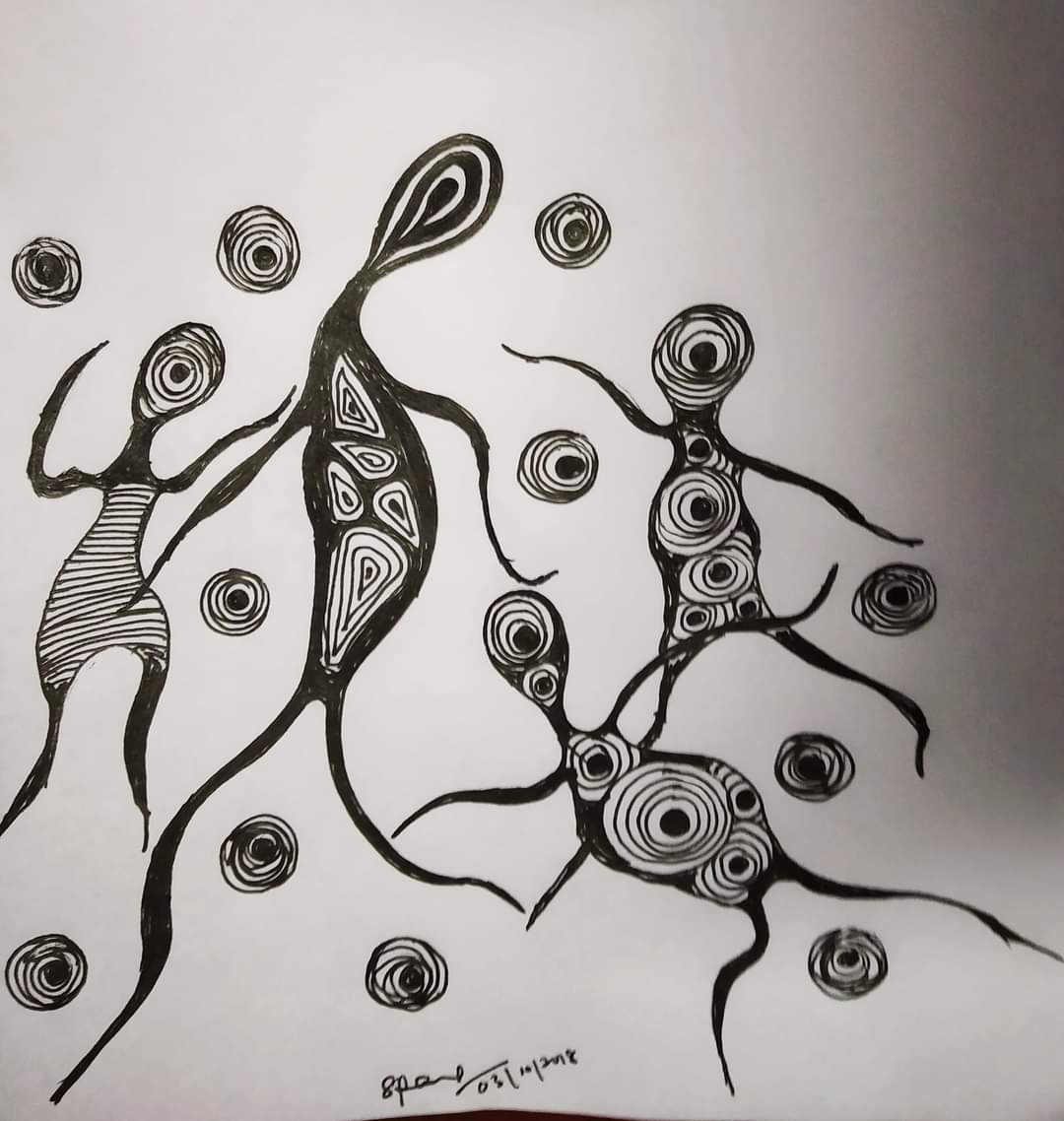
In The Name Of Poetry
Song of the quiet life
Selected poems of
Cai Tianxin
In the ocean of the world
1
We swim in the ocean of the world
our daytime half submerged in the water
our nighttime half floating on the surface
2
From the balcony, what have you seen?
spring sailing to another harbour –
here, there, often changing course
3
The bridge on the overpass is solid
the white sail, the red sail
collide with it and shatter in the dusk
4
We swim in the ocean of the world
death an enticing flag
on top of an unattainable mast
Hangzhou, 1991
Sunlight
The sun is a mango.
Cut open, it’s the day.
Left uncut, the evening.
We swallow sunlight
Making strong muscles.
While we sleep
Sunlight flows into our blood
Travels throughout our body.
On its journey it meets
Another piece of sunlight.
Hangzhou, 1989
translated by James Booze and John Rosenwald
When summer retreats to the south
along the wandering coastline
When summer retreats to the south
along the wandering coastline
fall creeps in, grasping the moment
rushing to saturate parched fields.
I hear a song from the ocean
the sweet voice of an old lover.
Sitting on a reef she takes off her clothes
while I listen attentively with one ear
and one star from my childhood.
Hangzhou, 1992
translated by Michelle Haight and John Rosenwald
Stroll
Face to east
and nose to west
The palm of the hand
kicked out like a roof tile
The nails shear
the blood vessels of the earth
I lie down
dive into the rivers
And appear swiftly
at the head of the mountains
Hangzhou, 1990
From higher up
From higher up
you’ll see
crowds like grains of sand
piled together,
all more or less the same.
From higher up
you’ll see
houses like seashells
facing up or down
difficult to distinguish.
From higher up
you’ll see
a city subsiding
the residents fleeing in droves
in overcrowded express trains.
From higher up
Hangzhou, 1988
Division
The moonlight divides buildingtops
into the shapes of triangles
the shapes of circles and arcs
divides the branches and leaves of plane trees
into the shapes of birds
the shapes of feathers
the boundless sea is also divided
as are our fragile souls –
but who has ever seen them?
Hangzhou, 1992
Poem about fish
I like to think of cars as words.
It’s easy to change the roots of words.
Make a U-turn, for example,
and you will find an adjective.
People bump into each other on the freeway
sometimes creating totally new sentences.
If you drive a car into the Pacific
the sea water will know how to refine it.
When you swim out of the car you will
instantly come across a poem about fish.
California, 1993
translated by James Booze
Trees and dogs
Trees and dogs will follow you whether you set off
to a distant place or just to the neighbour’s
either blocking the sunshine or rubbing against your knees
leaving their shadows on the earth
But you have to learn to recognise
their annual rings and their breeds
and learn, like the dew and the dust
to settle onto big leaves and thick fur
Compared to huge aircraft
they are more reliable friends
even when the red moon rises
they won’t disappear
Nassjo, 2005
CEMETERY
compared with mansions and rooms,
it is more in need of flowers for decoration.
just like a bride to be soon married
without fence or barrier,
as if all family members
are sitting around the lawn in the yard.
as long as it is a fine and warm day,
there will be drummers beating the sky,
and a team for fetching the bride.
Chines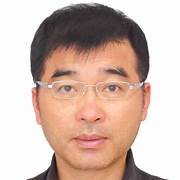 e mathematician Cai Tianxin was recently nominated for the Neumann Prize, a biennial prize awarded to an author of a math history book in English by the British Society for the History of Mathematics. The Zhejiang University professor, also a poet, spoke to CGTN recently, discussing his thoughts on the connection between art and math and his goal to continue to further share Chinese math perspectives to the outside world. Take a look.