* All the legal application should be filed in Kerala, India, where the Kritya Trust is registered.

By our previous Editor – I am repeating, because these lines are still useful
“Keep on knocking
’til the joy inside
opens a window
look to see who’s there”
-Rumi
Of the Arts and the Spiritual Element
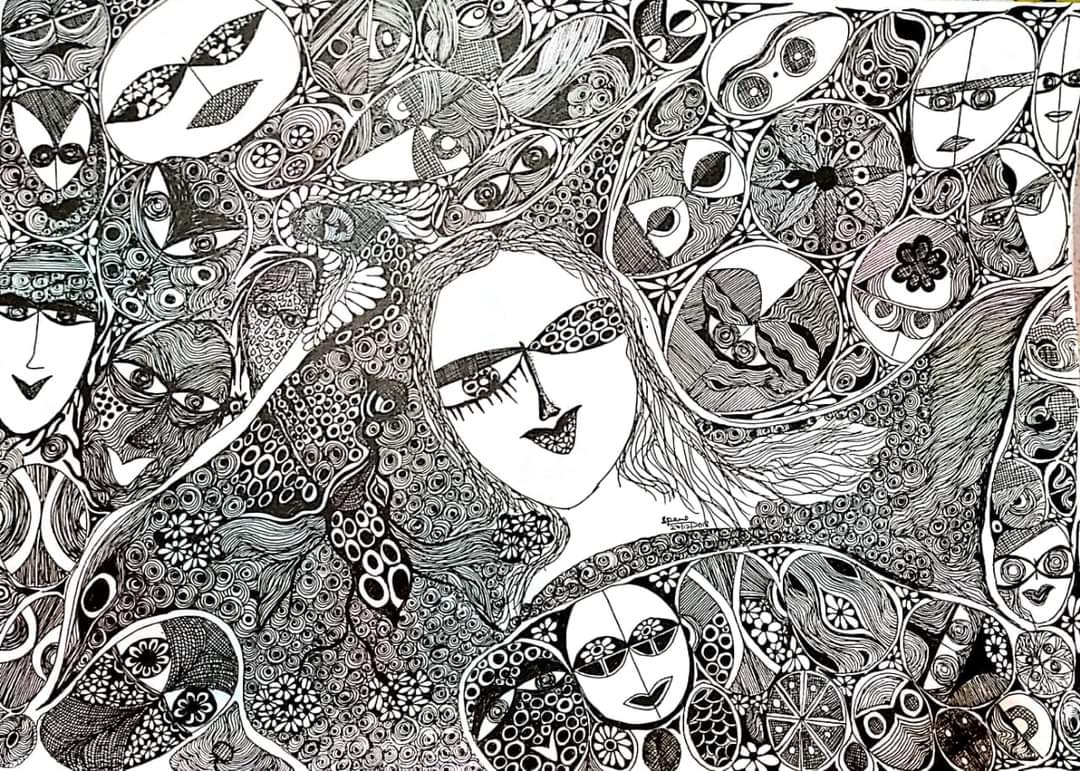
Wallace Stevens in one of his lectures on the relations between poetry and painting premised that it would be tragic not to realize the extent of man’s dependence on the arts. In an age of disbelief, the arts are in fact a compensation for what has been lost. People have come to believe that “imagination is the next greatest power to faith: the reigning prince.” Stevens opines that painting and poetry operate at the point between imagination and reality and as a result have a visionary stature. They are a “vital assertion of self in a world where nothing but the self remains, if that remains.”
Then what about the artist, the poet? Is the work of creation a spiritual practice? Many creative people would agree that their moments of creation are the occasions when they connect to something much larger than themselves. Those are times when they enter the realm of their muse, get drenched in the creative showers and produce a unique piece of work. I remember listening to a famous Malayalam novelist speaking on his works – something he said started a train of thought in my head regarding the actual manifestation of a piece of art (whether poetry, novel, painting, sculpture or any other) and the creative forces that aided its birth. This novelist spoke about going back to read what he had written down in some highly inspired moments. Often, he was left wondering whether he himself had written those words. I am not sure how many would agree with me in this regard – but I too feel that truly inspired work is bound to hold an element of reverential awe and delightful surprise to the writer himself/herself.
This brings me back to Stevens and his thoughts on painting and poetry. Those moments of true inspiration are the moments when the poet/artist accomplishes a secure connection with their self, merges with the self and nothing remains but the self. This self is, needless to say, the divine in us.
If a poet is to be remembered, if he is to utter really meaningful, intrinsically powerful words, get others to think, motivate others, then this connection with the higher self (which many may categorize as the unknown) becomes vital. Otherwise your words slip off the listener’s ears without making an entry into their minds, without establishing a connection with the self in them.
Jayasree Ramakrishnan Nair